
How to store important home documents (without losing them)
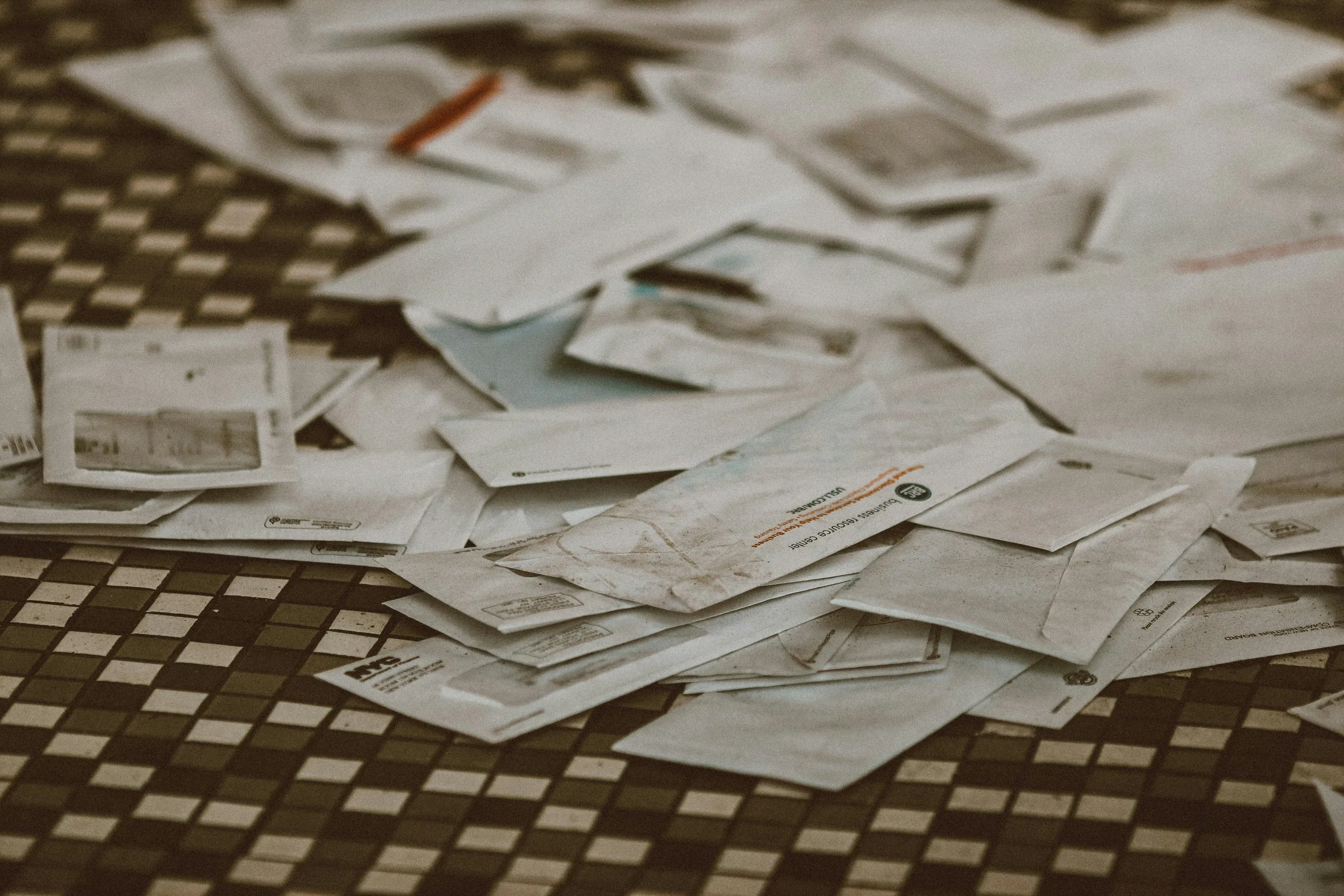
Most people don’t realise how fragmented their home documents are until they actually need one.
It’s usually in a moment of pressure. An insurance claim. A broken appliance. A renewal you forgot about. You know you have the document somewhere, but finding it quickly is another story.
You check your inbox. Then your downloads folder. Maybe a drawer. Maybe a photo you took months ago. Ten minutes turns into thirty, and suddenly something that should be simple feels unnecessarily stressful.
The problem isn’t that you don’t store documents. It’s that they’re not stored in a way that actually works when you need them.
Why document storage breaks down
Most households already have a “system”, but it’s usually accidental.
Some documents live in email. Others are saved on a laptop. A few are printed and filed. Some exist only as photos on a phone. Over time, this creates a scattered archive that’s hard to search and even harder to trust.
The real issue is not storage. It’s retrieval.
You might technically have everything, but if you can’t:
Find it quickly
Understand what it means
Use it when needed
then the system isn’t working.
What “good” document storage actually looks like
A well-run home doesn’t just store documents. It makes them usable.
That means:
Everything is in one place
Documents are easy to search and filter
Key details are visible without opening every file
You can access what you need from anywhere
Important dates are connected to reminders
In other words, storage becomes part of a system, not just a place things go.
The core categories every household should track
If you’re starting from scratch, it helps to think in categories rather than individual files.
Most important home documents fall into a few key groups:
Property & Insurance
Home insurance policy
Mortgage or tenancy documents
Contents insurance
Warranties linked to major items
Utilities & Bills
Energy and water accounts
Broadband contracts
Council tax
Appliances & Assets
Receipts
Instruction manuals
Warranty details
Vehicles & Travel
Car insurance
MOT and servicing records
Personal Admin
ID-related documents
School or childcare records
Pet insurance or vet records
When documents are organised around real-world life, they become far easier to navigate.
Step 1: Capture everything properly
The first step is getting documents into your system in a consistent way.
That might mean:
Uploading PDFs from emails
Scanning paper documents
Taking clear photos of receipts or certificates
The key is consistency. If some things are stored and others aren’t, gaps appear quickly.
Hartley is designed to make this part easy. You can upload documents directly, and they’re automatically processed and organised, so you don’t need to think about folder structures or naming conventions.
Step 2: Make documents searchable
A folder full of files is still hard to use if you have to open each one to understand it.
What makes a real difference is being able to search by meaning, not just file name.
For example:
“When does my boiler warranty expire?”
“What’s my excess on home insurance?”
“Which provider is my broadband with?”
Instead of digging through documents, you get answers.
This is where Hartley moves beyond storage. It reads and understands your documents, so you can interact with them like information, not files.
Step 3: Connect documents to real life
Documents shouldn’t sit in isolation. They should trigger action.
A good system connects documents to:
Renewal reminders
Maintenance schedules
Important deadlines
For example:
An insurance policy leads to a renewal reminder
A warranty links to its expiry date
A boiler manual connects to servicing intervals
Hartley does this automatically, turning static documents into part of a living system that keeps your household running smoothly.
Step 4: Make everything accessible (when you actually need it)
The real test of any document system is simple:
Can you access what you need in under 10 seconds?
That means:
Mobile access, not just desktop
A clean, intuitive interface
No reliance on memory (“where did I put that?”)
Whether you’re at home, on the phone to a provider, or dealing with an emergency, access needs to be immediate.
Hartley is built around this idea. Your entire household record is always available, structured, and ready to use.
Step 5: Add intelligence, not just organisation
Traditional document storage solves one problem: keeping things safe.
But modern households need more than that. They need understanding.
Instead of:
Opening a policy and reading through it
Trying to interpret legal language
Guessing what’s relevant
You can ask:
“Am I covered for this situation?”
“What should I do next?”
“Is this document still valid?”
Hartley acts as your AI butler here, giving you clear, contextual answers based on your actual documents.
From storage to confidence
When your documents are properly managed, something shifts.
You stop worrying about where things are. You stop second-guessing whether you’ve missed something important. You stop spending time searching and start making decisions faster.
It’s not just about organisation. It’s about confidence.
You know what you have
You know where it is
You know what it means
And you know what to do next
That’s the real goal.
A smarter way to run your home
Storing documents isn’t new. But doing it in a way that actually supports your life is.
The smart approach is:
Keep everything in one place
Make it searchable and understandable
Connect it to real-world actions
Access it instantly
Let technology do the heavy lifting
Hartley brings all of this together, acting as both your secure document vault and your AI household butler.
So instead of asking, “Where is that document?”, you’re asking better questions.
And getting better answers.
