
The UK autumn home checklist: 5 non-negotiable checks before first frost
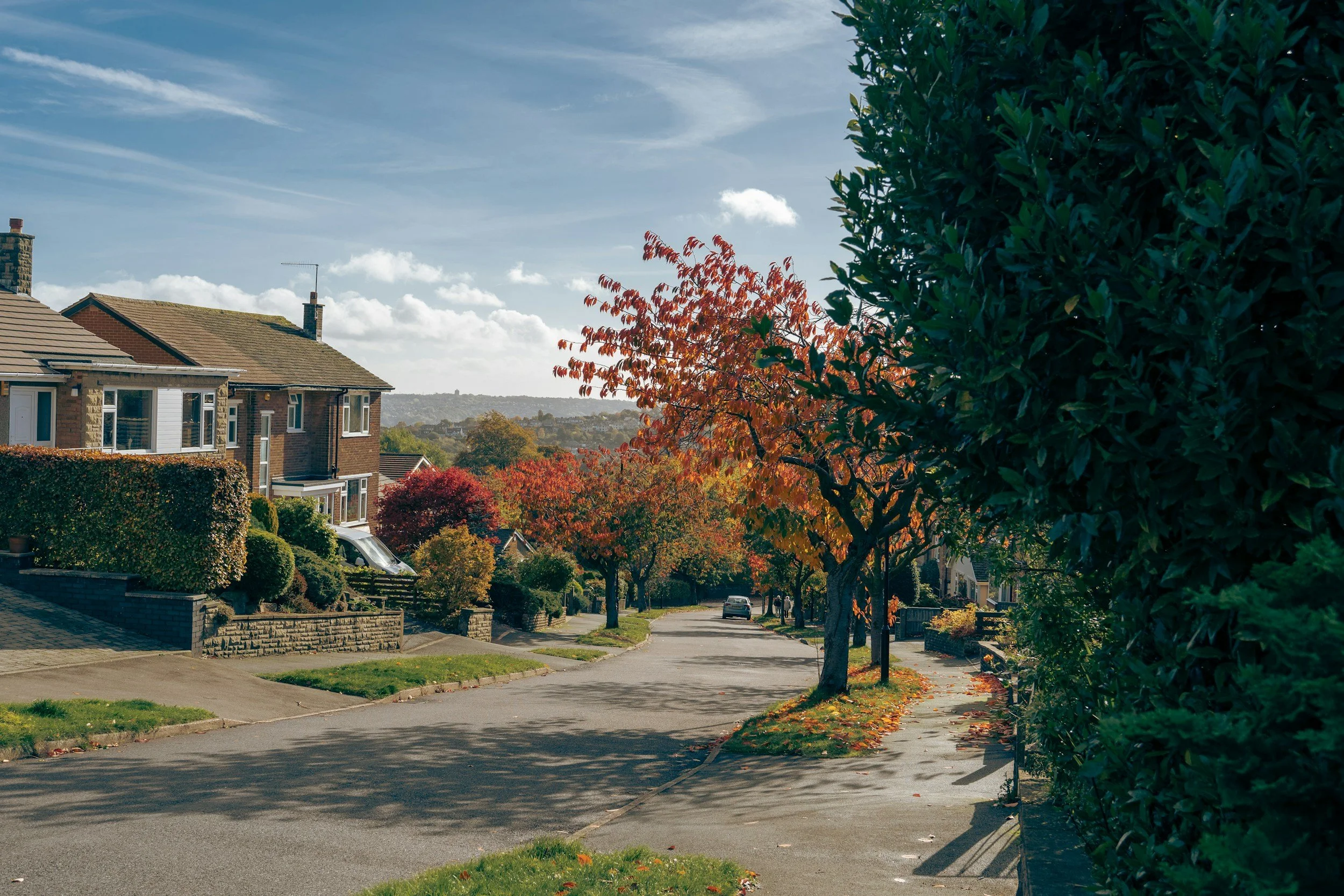
Preparing a UK property for autumn is about protecting the building structure and preventing emergency repair costs during the winter months. Cold snaps, windstorms, and heavy rainfall expose minor weaknesses, from slipped roof tiles to blocked downpipes, that can quickly cause interior damp and void insurance policies.
Taking preventative action in early autumn ensures your central heating operates efficiently and your home remains storm-proof before tradespeople enter their busiest season.
The Hartley Autumn Negotiable Checklist
Book a Gas Safe Boiler Service
Clear Gutters and Check Downpipes
Insulate Pipework and External Taps
Inspect Roof Tiles and Flashing
Bleed Radiators and Check Thermostatic Valves
1. Book a Gas Safe Boiler Service
A boiler that has sat idle through summer can fail when turned on in autumn. Waiting until a cold snap hits often leads to long wait times for emergency engineers.
Action: Hire a registered Gas Safe engineer to inspect internal components, clear debris, and check pressure.
Why it matters: Regular annual servicing maintains manufacturer warranties and keeps fuel consumption efficient as energy prices rise.
2. Clear Gutters and Check Downpipes
Falling leaves and moss accumulation block gutters, causing rainwater to overflow down external brickwork. Over time, this leads to penetrating damp and damaged render.
Action: Clear gutters, downpipes, and gullies. Run a hose down the pipe to ensure water flows freely away from the foundations.
Why it matters: Overflowing gutters are one of the leading causes of preventable water ingress in UK homes during autumn storms.
3. Insulate Pipework and External Taps
Exposed plumbing in unheated spaces, such as lofts, garages, or outdoor wall taps, is vulnerable to freezing during severe frosts. When water freezes, it expands and bursts the pipe, leading to major flooding once thawed.
Action: Fit foam pipe lagging to exposed interior and exterior pipework, and isolate or cover outdoor taps with insulated jacket covers.
Why it matters: Pipe insulation costs very little and prevents thousands of pounds in water damage repairs.
4. Inspect Roof Tiles and Flashing
High winds and heavy rain rapidly worsen minor roof defects.
Action: Perform a visual inspection from ground level using binoculars. Look for slipped slates, cracked tiles, or loose lead flashing around chimneys.
Why it matters: Replacing a single slipped slate in September avoids structural timber rot and ceiling repairs in December.
5. Bleed Radiators and Check Thermostatic Valves
If radiators are warm at the bottom but cold at the top, air is trapped inside the heating circuit.
Action: Use a radiator key to bleed air from cold units until water appears, then verify that boiler pressure remains between 1.0 and 1.5 bar.
Why it matters: Trapped air forces your boiler to work harder, increasing energy bills without properly warming the room.
Logging Autumn Maintenance in Hartley
Once your seasonal checks are complete, record the details in Hartley:
Upload Invoices: Store Gas Safe service certificates, chimney sweep receipts, and roof repair receipts in your Vault.
Set Recurring Alerts: Schedule annual autumn reminders for gutter clearing and heating checks.
Log Trade Details: Save contact details for accredited local tradespeople directly against the relevant property record.
Systematic autumn maintenance prevents costly winter panics. Download Hartley today to keep your compliance documents, service histories, and maintenance schedules organised in one secure place and even find trusted local tradespeople to help get the jobs done.
Don’t forget to download Hartley to automatically set the reminders that matter.
