
What to do when something goes wrong at home
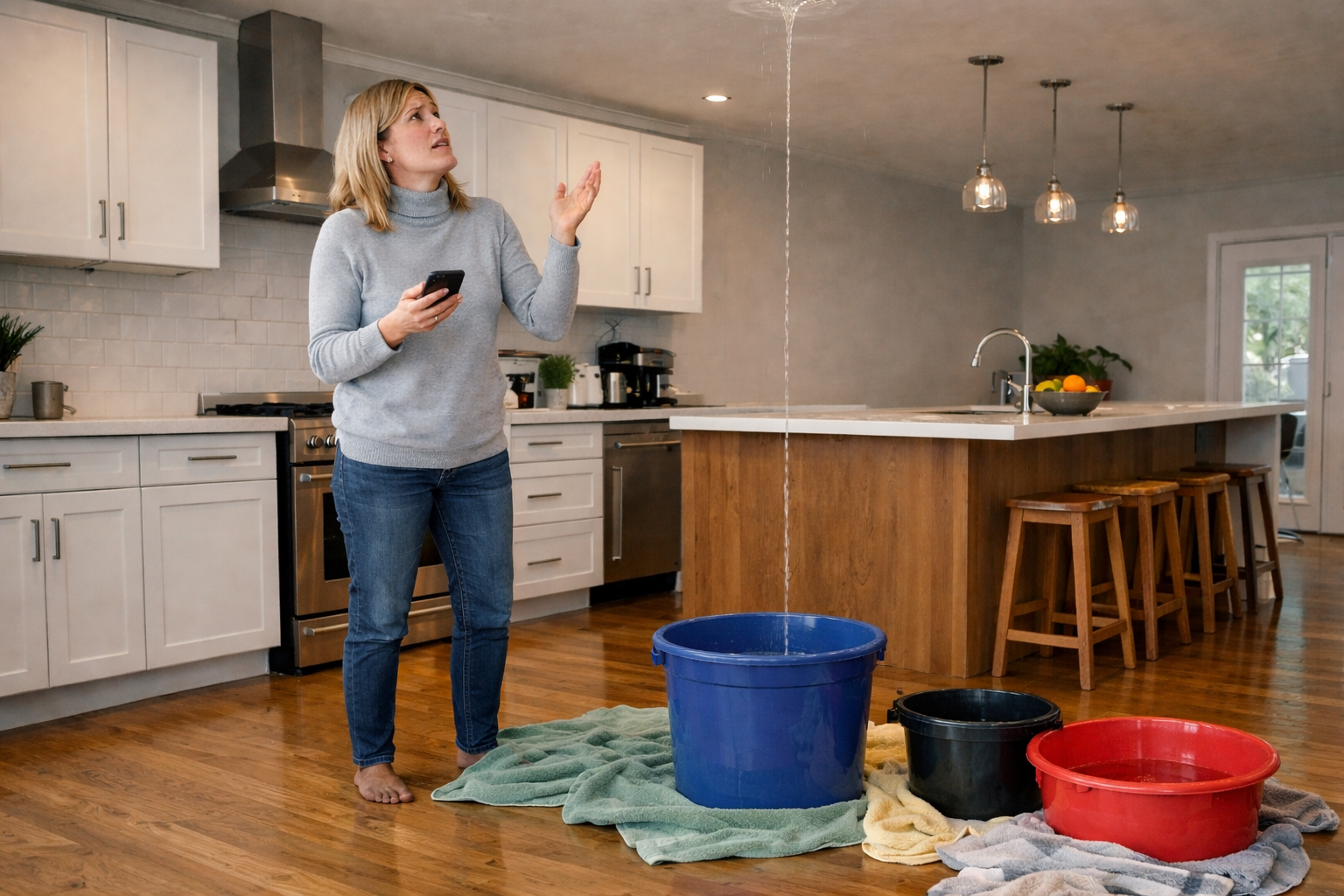
Your emergency playbook for staying calm and taking control
Something always goes wrong at the worst possible moment.
A leak at night.
A boiler failure in winter.
An appliance breaking just before guests arrive.
It’s rarely convenient. And it’s almost never something you’ve planned for.
In those moments, the real problem isn’t just the issue itself. It’s the uncertainty.
What do you do first?
Is it urgent?
Who do you call?
Are you even covered?
This guide is designed to give you a clear, simple playbook. Not to make you an expert, but to help you stay calm and take the right steps quickly.
Step 1: Pause and assess the situation
Your first instinct might be to react immediately. That’s natural.
But taking 30 seconds to assess the situation properly can save you time, money, and stress.
Ask yourself:
Is this dangerous right now?
Is it getting worse?
Can I safely contain it?
For example:
A small leak under a sink is very different from water coming through the ceiling
A boiler making noise is different from no heating in freezing weather
You don’t need a perfect diagnosis. You just need a rough sense of urgency.
Step 2: Make it safe (if you can)
Before anything else, reduce the risk.
Depending on the situation, that might mean:
Turning off the water supply
Switching off electricity in the affected area
Opening windows if there’s a smell or gas concern
Moving valuables out of harm’s way
If something feels genuinely dangerous, don’t try to solve it yourself. Step away and call the appropriate emergency service.
The goal here is simple: stop things getting worse.
Step 3: Understand what you’re dealing with
Once things are stable, the next step is clarity.
This is where most people hit friction.
You might:
Search online and get conflicting advice
Not know the correct terminology
Waste time trying to figure out what kind of issue this actually is
This is exactly where having support makes a difference.
With Hartley, you don’t need to guess.
You can:
Upload a photo of the issue
Describe what’s happening in plain language
And get guidance that’s specific to your situation, not generic advice pulled from a forum.
Instead of ten tabs and uncertainty, you get a clear starting point.
Step 4: Check your documents and coverage
A lot of home issues have a financial side.
Insurance. Warranties. Service plans.
But in the moment, most people don’t know:
What they’re covered for
Where the documents are
What the next step should be
So they either delay action or pay out of pocket unnecessarily.
This is where organisation pays off.
With Hartley:
Your key documents are already stored and easy to access
Coverage details can be surfaced quickly
You can understand whether you should claim, repair, or replace
No digging through emails. No guessing.
Just clarity when you need it most.
Step 5: Decide: Fix it yourself or call someone
Not every issue needs a professional.
Some things are quick fixes. Others absolutely aren’t.
The key is knowing the difference.
A good rule of thumb:
If it involves risk (gas, major electrics, structural issues), call a professional
If it’s contained and low-risk, you might handle it yourself
Hartley can help here too.
Based on the situation, the app can:
Suggest simple steps to reduce damage
Recommend whether it’s a DIY fix or something to escalate
Help you find local professionals, with trusted recommendations.
It’s not about doing everything yourself. It’s about making better decisions to move straight to action.
Step 6: Take action and close the loop
Once the issue is resolved, there’s usually a final step people forget.
Tidying up the admin.
That might include:
Storing invoices or receipts
Updating your records
Setting reminders for follow-up checks
This is where problems tend to repeat. Not because they weren’t fixed, but because nothing was tracked afterward.
Hartley handles this quietly in the background.
It can:
Store relevant documents
Link them to the right part of your home
Set future reminders if needed
So the next time something happens, you’re not starting from zero.
The real goal: Fewer surprises, faster solutions
You won’t stop things from going wrong completely.
But you can change how you handle them.
Less panic.
Less searching.
Less uncertainty.
More clarity.
Faster action.
Better outcomes.
That’s what a proper household system should do.
And it’s exactly what Hartley is built for.
A home that doesn’t just react to problems, but handles them.
